Biomacromolecule purification: a media selection overview reorganized by modality, impurity profile and the three-stage process framework
The constraints in biomacromolecule purification come from the molecule itself — the target keeps its conformation and activity only in aqueous solution, at near-neutral pH and at limited salt concentration, which restricts the available driving forces for elution to four: salt concentration, pH, hydrophobicity and specific affinity. The text follows one axis throughout: modality → impurity profile → process stage → chromatographic mode → media grade. It first defines the physicochemical profile and impurity sources of seven modalities, then sets out the three-stage process framework and the orthogonal relationships between seven chromatographic modes, then analyses the parameters of the JNC Cellufine, gel media and PolymerOne product lines, and finally arrives at the modality × stage × media master matrix, eight representative process routes and a one-page quick reference.
Summary Ten principal conclusions
1Seven modalities and their physicochemical profiles
"Biomacromolecule" is not a single category in a downstream process context. The modalities differ considerably in molecular weight, hydrodynamic radius, isoelectric point, surface hydrophobicity and conformational stability, and those differences directly determine the chromatographic modes available, the pore size range and the operating conditions that can be tolerated. The table summarizes seven modalities against the dimensions that matter downstream, and each row can be reached from the category buttons below.
| Modality | Typical molecular weight / size | Key physicochemical features | Main process sensitivities | Usual sequence of chromatographic modes |
|---|---|---|---|---|
| A. Monoclonal antibodies and Fc fusion proteins | About 150 kDa (IgG); ADCs and bispecifics 130–200 kDa | pI mostly 6.5–9.5; limited surface hydrophobic patches; the hinge region fragments readily | Aggregates and fragments, charge variants, glycoforms, leached protein A ligand | Protein A affinity → AEX flow-through / CEX bind-elute → HIC or mixed mode polishing |
| B. Recombinant proteins and enzymes | 10–200 kDa, a wide span | pI distribution wide; some require refolding; inclusion body material contains denaturants | Misfolded species, co-eluting host cell protein, loss of activity | IEX capture → HIC intermediate → SEC or IEX polishing |
| C. Vaccine polysaccharides and conjugates | Capsular polysaccharides 10²–10³ kDa | Strongly hydrophilic and highly negatively charged (some with phosphate or carboxyl groups); no aromatic chromophore | Control of molecular weight distribution, residual protein and nucleic acid, degree of O-acetylation | AEX (salt-tolerant) → HIC (high salt tolerance) → ultrafiltration |
| D. Viruses, VLPs and viral vectors | 20–300 nm particles | Size far exceeds conventional media pores; surface charge and glycosylation are heterogeneous | Empty-to-full capsid ratio, retention of infectious titre, shear sensitivity | Sulfate / dextran sulfate affinity → size–adsorption mixed mode → SEC |
| E. Plasma products | Albumin 66.5 kDa; IgG 150 kDa; coagulation factors span a wide range | Sourced from pooled plasma, so the composition is complex; virus safety requirements are high | Viral clearance validation, dimers and aggregates, trace activation of coagulation factors | Precipitation fractionation → AEX / CEX → affinity → nanofiltration |
| F. Nucleic acids (pDNA, mRNA and related enzymes) | pDNA 3–20 kb;mRNA 1–10 kb | Highly negatively charged, rigid, with supercoiled and open circular forms differing | Supercoiled fraction, host RNA and genomic DNA, endotoxin | SEC (large pore) or AEX → mixed mode → oligo-dT affinity (mRNA) |
| G. Peptides and low molecular weight biologics | 0.5–10 kDa | Tolerate organic solvents; hydrophobicity differs markedly | Deletion sequences, epimers, deamidation | Reversed-phase preparative (silica or polymer substrate) → ion exchange → desalting |
Matching size to pore size
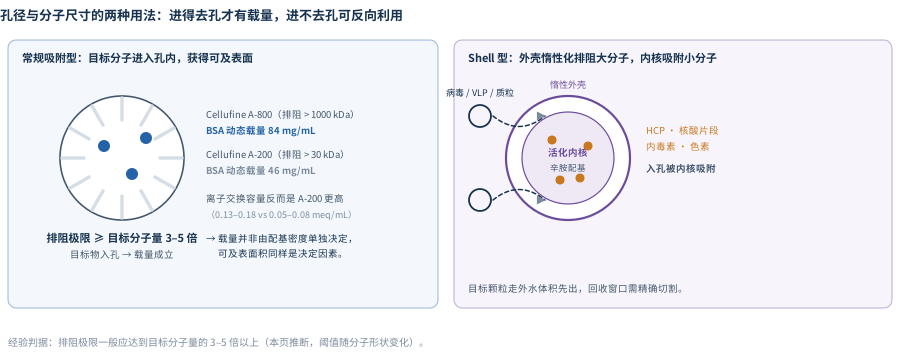
The target must enter the pore for retention and capacity to develop. The rule of thumb is that the exclusion limit of the medium should generally be at least 3–5 times the molecular weight of the target for it to reach enough accessible surface inside the pore (inferred on this page; the exact threshold varies with molecular shape). Conversely, where the target is a virus or VLP far larger than the pores, the exclusion effect can be used in reverse — the target passes in the interstitial volume while impurities enter the pores and are adsorbed. This is the "inert shell, active core" mechanism of the Mixrose Shell media, covered in Chapter 13.
How this relates to the other solution pages on this site: modified silica selection and process parameters for class G peptides are on the peptide API purification page, and oligonucleotide drugs page; this page focuses on soft gel and polymer media under aqueous conditions.
2Six structural differences from small-molecule purification
Applying small-molecule preparative chromatography experience directly to biomacromolecules usually leads to errors in capacity, flow rate and recovery. The differences can be grouped into six points.
| Dimension | Small molecule / peptide preparative | Biomacromolecule purification |
|---|---|---|
| Mass transfer | The diffusion coefficient is large and intraparticle mass transfer fast, so small particles (3–10 μm) give high efficiency | The diffusion coefficient is one to two orders of magnitude lower and intraparticle mass transfer is rate-limiting; efficiency is improved more by lowering the flow rate and lengthening residence time than by reducing particle size alone |
| Driving force for elution | Mainly an organic solvent gradient, with wide scope for adjusting selectivity | Mainly salt gradients, pH gradients, hydrophobicity gradients and specific elution; organic solvents usually cause denaturation |
| Basis for capacity | Expressed as static capacity or throughput under overload | Expressed as dynamic binding capacity (DBC, usually at 10% breakthrough), with the residence time stated |
| Nature of the impurities | Synthesis by-products, structurally related to the target | Host cell protein, nucleic acid, endotoxin, virus, leached ligand, aggregates and variants — different in origin and character |
| Operating pressure | Can run at 100–300 bar | Soft gel media are usually limited to 0.2–0.5 MPa (2–5 bar); rigid polymer media extend to the order of 100 bar |
| Scale-up logic | Scale by column cross-sectional area, keeping bed height and linear velocity | Also scaled by linear velocity and bed height, but residence time must be kept constant as well, to hold DBC |
The pressure ranges in the table are common engineering values; follow each medium's official specification. The official values collected on this page are in Chapters 12–14.
3Starting material and pretreatment routes
The starting point for a downstream process is set by the upstream expression system. Different starting points call for different pretreatment before the first chromatographic step.
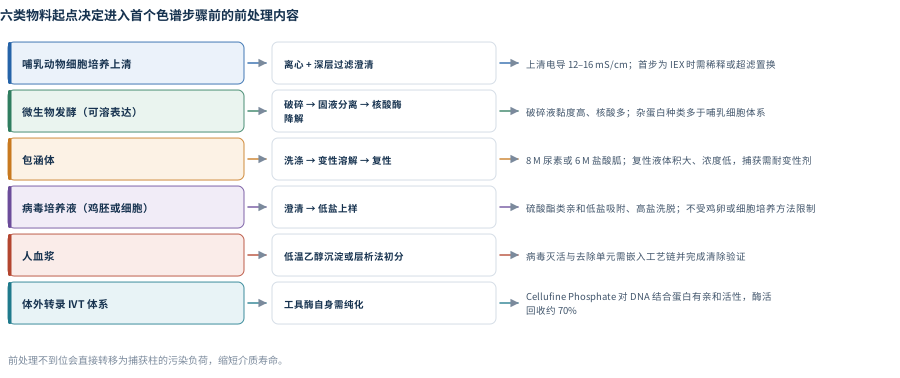
Mammalian cell culture supernatant
The target is secreted into the medium, and the impurities are mainly host cell protein, DNA and medium components. Pretreatment is centrifugation plus depth filtration for clarification, after which it can be loaded directly onto the capture column. Supernatant conductivity is usually 12–16 mS/cm, so if the first step is ion exchange it must be diluted or exchanged by ultrafiltration.
Microbial fermentation (soluble expression)
Requires cell disruption and solid–liquid separation. The homogenate is viscous and high in nucleic acid, so a nuclease is often added to reduce viscosity. There are more contaminating protein species than in a mammalian system, so the capture step must be more selective.
Inclusion bodies
Require washing, denaturing solubilization (8 M urea or 6 M guanidine hydrochloride) and refolding. The refold pool is large in volume and low in protein concentration, so the subsequent capture step needs a high flow rate and tolerance of denaturants. Microse Fast Flow is stated to tolerate 8 M urea and 6 M guanidine hydrochloride, which suits this material.
Virus culture fluid (egg or cell)
Contains cell debris, host protein and nucleic acid. After clarification, sulfate affinity media are commonly used to adsorb the virus at low salt and elute at high salt. The official applications listed for Cellufine Sulfate include influenza, rabies and Japanese encephalitis virus, and it is stated to work irrespective of whether egg or cell culture is used.
Human plasma
Usually fractionated first by cold ethanol precipitation (Cohn fractionation) or chromatography, then taken through ion exchange and affinity steps. Viral inactivation and removal units must be embedded in the process chain, with clearance validation completed.
In vitro transcription (IVT) systems
In mRNA production, tool enzymes such as T7 RNA polymerase themselves require purification. The phosphate ligand of Cellufine Phosphate resembles the structure of DNA and has affinity for DNA-binding proteins; the manufacturer records enzyme activity recovery in the eluted fractions of about 70%.
4Systematic mapping of the impurity profile
The impurity control target determines how many process steps are needed. Grouping impurities by origin and by removal method helps establish which step needs which orthogonal mode.
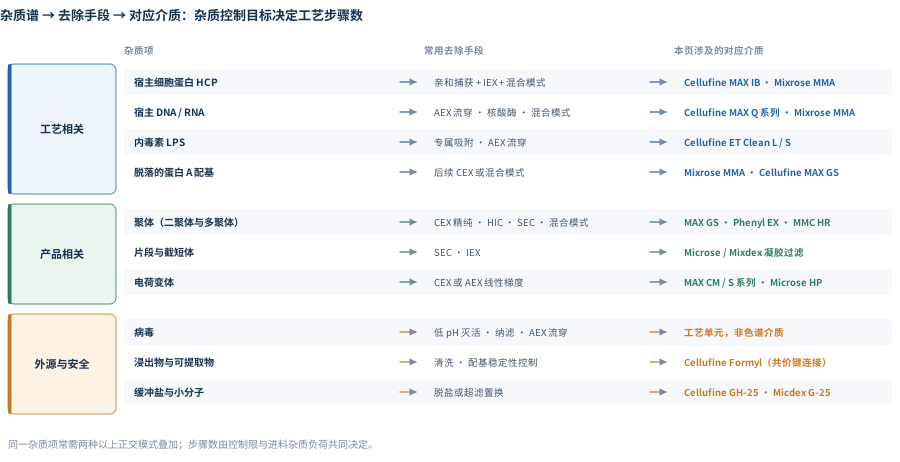
| Category | Impurity | Origin | Usual removal method | Corresponding media on this page |
|---|---|---|---|---|
| Process-related | Host cell protein (HCP) | Expression host | Affinity capture + ion exchange + mixed mode | Cellufine MAX IB、Mixrose MMA |
| Host DNA / RNA | Expression host | AEX flow-through, nuclease treatment, mixed mode | Cellufine MAX Q series, Mixrose MMA | |
| Endotoxin (LPS) | From Gram-negative bacteria | Dedicated adsorption, AEX flow-through | Cellufine ET Clean L / S | |
| Leached protein A ligand | Affinity medium | A subsequent CEX or mixed mode step | Mixrose MMA、Cellufine MAX GS | |
| Product-related | Aggregates (dimers and higher) | Expression, purification and storage | CEX polishing, HIC, SEC, mixed mode | Cellufine MAX GS、Phenyl EX、Mixrose MMC HR |
| Fragments and truncated species | Proteolysis | SEC、IEX | Microse / Mixdex gel filtration | |
| Charge variants (acidic and basic peaks) | Deamidation, C-terminal lysine and others | A linear gradient on CEX or AEX | Cellufine MAX CM / S series, Microse HP series | |
| Glycoform heterogeneity | Post-translational modification | Affinity or mixed mode; in some cases not separated | —— | |
| Adventitious and safety | Virus | Cell substrate, raw materials | Low pH inactivation, nanofiltration, AEX flow-through | —— (a process unit, not a chromatographic medium) |
| Leachables and extractables | Consumables and media | Cleaning, control of ligand stability | Cellufine Formyl (covalent linkage by reductive amination, with low ligand leaching) | |
| Buffer salts and small molecules | Process fluids | Desalting or ultrafiltration exchange | Cellufine GH-25, Micdex G-25 series |
5The three-stage process framework and platform processes
Downstream processes generally follow a three-stage division into capture, intermediate purification and polishing (CIPP). The three stages have different optimization objectives, so media selection emphasizes different things at each.
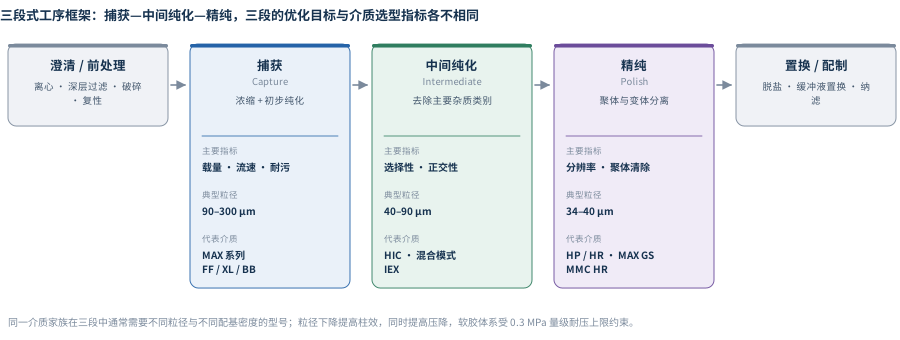
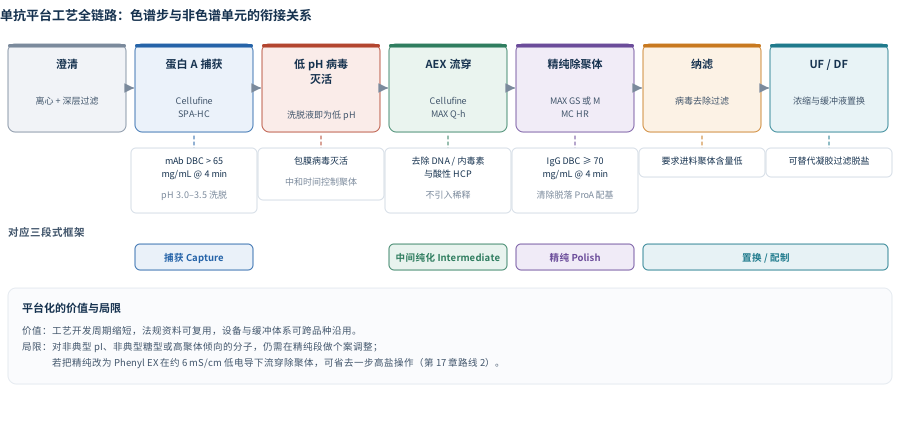
A fairly mature platform process has emerged in antibodies: protein A affinity capture → low pH viral inactivation → anion exchange flow-through → cation exchange or mixed mode polishing → nanofiltration → ultrafiltration/diafiltration. The value of a platform lies in a shorter development cycle and reusable regulatory documentation; its limitation is that molecules with an atypical pI, atypical glycoform or a tendency to aggregate still need case-by-case adjustment in the polishing stage.
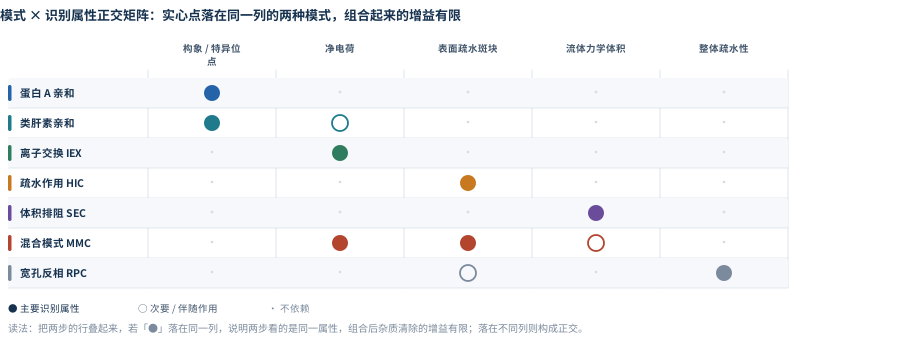
6Mechanisms of the seven chromatographic modes and their orthogonality
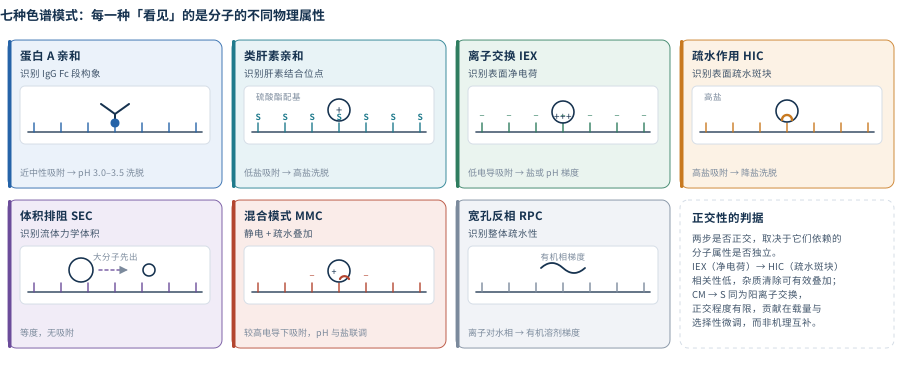
The seven modes differ not in efficiency but in which molecular property each of them "sees". The figure below places the adsorption mechanisms of all seven on one diagram, and the table that follows gives the operating conditions and limitations of each.
| Mode | Molecular property recognized | Binding conditions | Elution conditions | Typical position | Limitations |
|---|---|---|---|---|---|
| Protein A affinity (ProA) | The conformation of the IgG Fc region | Near-neutral pH, physiological salt | pH 3.0–3.5 acetate or citrate | Antibody capture | Expensive medium; ligand leaching; low pH elution can induce aggregation |
| Heparin-mimetic affinity (sulfate / dextran sulfate) | Electrostatic and conformational complementarity to the heparin binding site | Low salt | High salt | Capture of viruses, VLPs and heparin-binding proteins | Weaker selectivity than ProA; the salt window has to be found empirically |
| Ion exchange (AEX / CEX) | Distribution of net surface charge | Low conductivity, pH away from the pI | Salt gradient or pH gradient | Usable at capture, intermediate and polishing | Limited resolution of variants of similar charge; load conductivity is constrained |
| Hydrophobic interaction (HIC) | Surface hydrophobic patches | Loading at high salt | Elution by lowering salt | Intermediate and polishing | High salt means buffer consumption and equipment corrosion; some proteins are unstable at high salt |
| Size exclusion (SEC / GF) | Hydrodynamic volume | Isocratic, no adsorption | Isocratic | Polishing, desalting, buffer exchange | Load volume is limited (usually ≤ 5% of column volume); throughput is low |
| Mixed mode (MMC) | Electrostatic + hydrophobic (or + size exclusion) | Can bind at higher conductivity | pH and salt adjusted together | Polishing after affinity; direct loading at high salt | The parameters are coupled, so method development takes more work |
| Wide-pore reversed phase (RPC) | Overall hydrophobicity | Aqueous with an ion-pairing reagent | Organic solvent gradient | Preparative work on peptides and oligonucleotides; analysis of intact proteins | Most proteins in their native conformation are inactivated under these conditions |
6.1 How to judge orthogonality
Whether two steps are orthogonal depends on whether the molecular properties they rely on are independent. Ion exchange and hydrophobic interaction depend on net charge and surface hydrophobicity respectively, which correlate weakly, so an IEX→HIC combination adds effectively to impurity clearance in most systems. Conversely, two cation exchange steps differing only in ligand (CM and S) are orthogonal to a limited degree, contributing mainly through capacity and fine adjustment of selectivity rather than through complementary mechanisms.
6.2 The value of flow-through mode
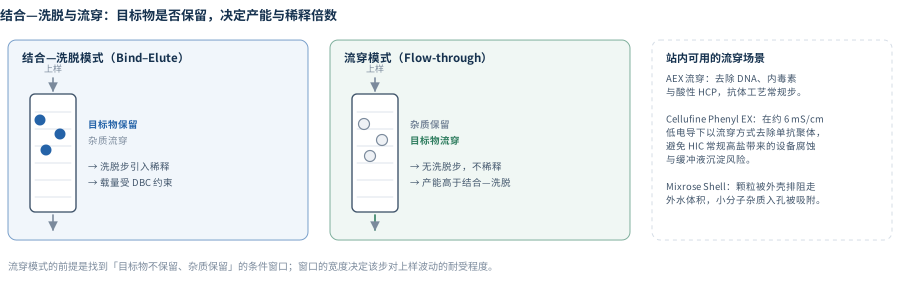
Where the target is unretained under particular conditions while impurities are retained, a flow-through mode can be used. Throughput is higher than in bind-elute mode, and there is no dilution from an elution step. AEX flow-through is commonly used in antibody processes to remove DNA, endotoxin and acidic HCP; Cellufine Phenyl EX also supports removal of mAb aggregates in flow-through at a low conductivity of about 6 mS/cm, which lowers the risk of equipment corrosion and buffer precipitation associated with high salt. Manufacturer data
7Non-chromatographic unit operations
| Unit | Function | Position in the process | Relationship to the chromatographic steps |
|---|---|---|---|
| Centrifugation and depth filtration | Removal of cells and debris | Before chromatography | Determines the contamination load and service life of the capture column |
| Tangential flow filtration (TFF / UF-DF) | Concentration and buffer exchange | Between chromatographic steps and before the final product | Can replace gel filtration for desalting with higher throughput; gel filtration still applies for small volumes or where size fractionation is needed |
| Precipitation and fractionation | Coarse separation | Plasma products, some fermentation products | Reduces the impurity load on the subsequent chromatography |
| Low pH viral inactivation | Inactivation of enveloped viruses | After protein A elution | The eluate is already at low pH, so the steps connect directly |
| Nanofiltration (virus removal filtration) | Physical retention of virus | After polishing | Requires a low aggregate content in the feed, or membrane flux falls |
| Lyophilization or spray drying | Solidification of the product | At the end of the process | Related to the choice of buffer system |
8Comparison of the five families of base matrix
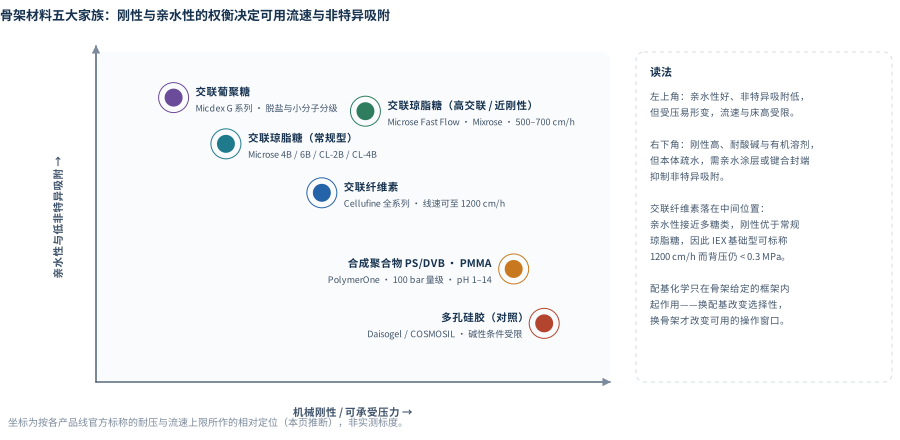
The base matrix determines the medium's rigidity, hydrophilicity, chemical tolerance and achievable pore structure; ligand chemistry works only within the framework the base matrix allows.
| Base matrix | Hydrophilicity / non-specific adsorption | Mechanical strength and usable flow rate | Chemical tolerance | Usual form | Products on this page |
|---|---|---|---|---|---|
| Crosslinked agarose | Highly hydrophilic, low non-specific adsorption | Conventional grades deform under pressure; highly crosslinked grades (Fast Flow / near-rigid) reach 500–700 cm/h | Tolerates 1–2 M NaOH, 8 M urea, 6 M guanidine hydrochloride and 70% ethanol (Microse FF, as stated) | Macroporous spheres with a broad pore size distribution | Microse series, Mixrose series |
| Crosslinked dextran | Strongly hydrophilic, with very low adsorption | A soft gel with relatively low flow rates (G-25 grades ≤ 100–500 cm/h, depending on particle size) | Working pH 2–13, cleaning 1–14 (Micdex, as stated) | Small pores, suiting desalting and fractionation of small molecules | Micdex series; also the grafted layer on Cellufine MAX |
| Crosslinked cellulose | A natural polysaccharide: hydrophilic, with low non-specific adsorption | More rigid than conventional agarose; IEX base grades run to 1200 cm/h at a backpressure < 0.3 MPa | Tolerates in-line cleaning with 0.5 M NaOH; pH stability mostly 2–13 | Spherical microspheres, 40–130 μm (mean 90 μm) | The whole Cellufine range |
| Synthetic polymers (PS/DVB, PMMA) | Hydrophobic in bulk, needing a hydrophilic coating to suppress non-specific adsorption | Highly rigid, able to run at the order of 100 bar | pH 1–14; tolerates 1 M HCl / 1 M NaOH and most organic solvents | Controlled pore sizes of 100 / 300 / 500 / 800 Å, plus non-porous | The whole PolymerOne range |
| Porous silica (for comparison) | Requires bonding and endcapping to suppress silanol interaction | Highly rigid, suiting high-pressure preparative work | Dissolves under alkaline conditions, so the upper pH is limited | Pore sizes 60–2000 Å | Daisogel, COSMOSIL, SilicaOne (outside the scope of this page) |
What the dextran grafted layer does
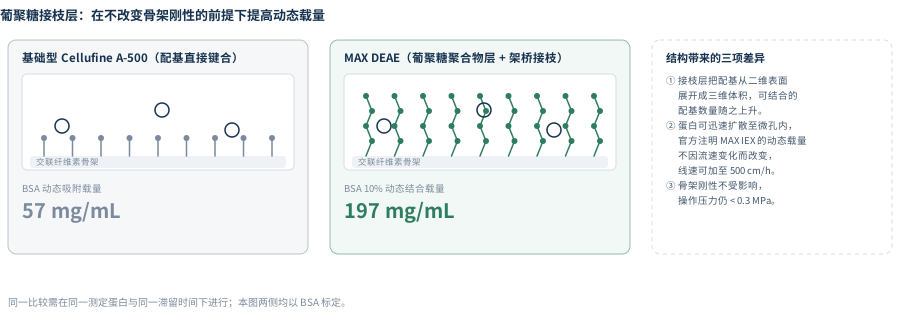
The Cellufine MAX series grafts ion exchange ligands onto a dextran polymer layer on the cellulose bead using a bridging technology. This structure lets the target protein diffuse quickly into the micropores, raising dynamic capacity while keeping the rigidity of the base matrix. The published data show MAX DEAE at a BSA 10% DBC of 197 mg/mL against 57 mg/mL for the base grade A-500; the manufacturer also notes that the dynamic capacity of the MAX IEX series does not change with flow rate, and that the linear velocity can be raised to 500 cm/h. Manufacturer data
9Engineering parameters: capacity, flow rate, particle size and pore size
9.1 Dynamic binding capacity and residence time
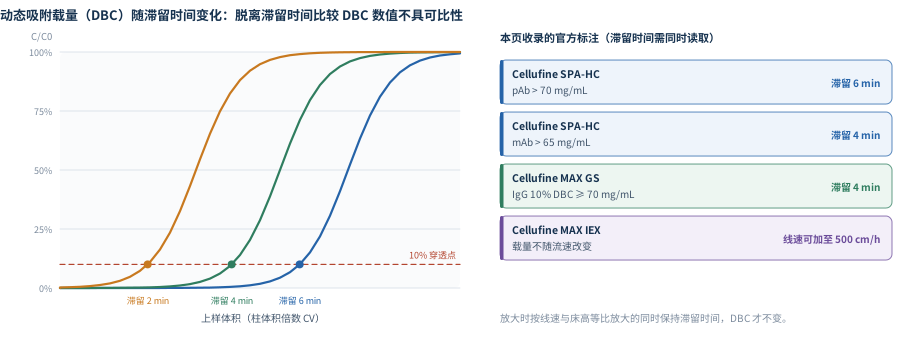
Dynamic binding capacity (DBC) is the mass of target bound per unit volume of medium at the point where the effluent concentration reaches a given fraction (usually 10%) of the feed, at a given flow rate. DBC rises as residence time lengthens, so media must be compared at the same residence time. The published examples collected on this page are:
- Cellufine SPA-HC: pAb DBC > 70 mg/mL (6 min residence); mAb DBC > 65 mg/mL (4 min residence).
- Cellufine MAX GS: IgG 10% DBC ≥ 70 mg/mL (4 min residence).
- Cellufine MAX IEX series: the manufacturer states that dynamic capacity does not change with flow rate, and that the linear velocity can be raised to 500 cm/h.
9.2 Particle size, bed height and resolution
Within one base matrix system, a smaller particle raises efficiency but also raises pressure drop. The gel media line covers the different process stages by banding particle size: Microse 6 Fast Flow at 90 μm and ≤ 600 cm/h for capture and intermediate purification; Microse 6 HP at 34 μm and ≤ 150 cm/h for polishing; Microse 6 Big Beads at 100–300 μm and ≤ 1800 cm/h for rapid processing of viscous or large-volume feeds.
| Particle size range | Representative grades | Stated maximum flow rate | Applicable stage |
|---|---|---|---|
| 100–300 μm | Q / SP Microse 6 BB | 1800 cm/h | Initial capture of large-volume, viscous feeds |
| 90 μm | Microse 6 FF / XL, Mixrose Q / SP, Cellufine series (mean 90 μm) | 600–700 cm/h (Cellufine IEX base grades stated to reach 1200 cm/h) | Capture and intermediate purification |
| 40 μm | Mixrose Q / SP / DEAE / CM HR | 300 cm/h | Intermediate and polishing at high flow rates |
| 34 μm | Microse 6 HP series | 150 cm/h | Polishing, resolution of charge variants |
| 22–44 μm | Mixdex 30 / 75 / 200 pg | 40–60 cm/h | High-resolution gel filtration |
| 1.7–10 μm | PolymerOne PS/DVB、PSM、PMM | Determined by system pressure (rated at the order of 100 bar) | Analysis and fine preparative work |
9.3 Pore size and exclusion limit
Gel filtration media are characterized by separation range; adsorptive media by the exclusion limit, which sets the upper size that can enter the pores. The exclusion limit of the Cellufine ion exchange base grades runs from > 30 kDa for A-200 to > 1000 kDa for A-800, with corresponding capacity for targets of different molecular weight: A-800 gives a BSA dynamic capacity of 84 mg/mL against 46 mg/mL for A-200, but its ion exchange capacity (0.05–0.08 meq/mL) is lower than that of A-200 (0.13–0.18 meq/mL). This shows that capacity is not determined by ligand density alone; accessible surface area is equally decisive.
10Cleaning, regeneration and media lifetime
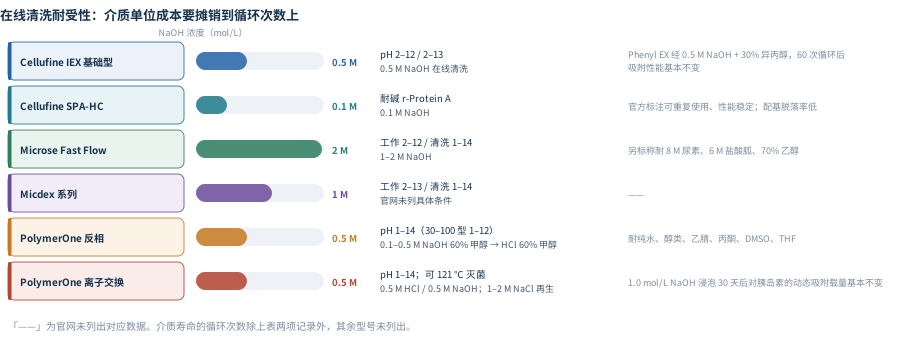
The unit cost of an industrial chromatography medium is amortized over the number of cycles, so tolerance of in-line cleaning (CIP) directly affects process economics. Sodium hydroxide is the usual CIP agent, removing protein residues, inactivating micro-organisms and degrading endotoxin at once.
| Product line | pH stability range | CIP conditions | Other chemical tolerance | Published stability validation |
|---|---|---|---|---|
| Cellufine (IEX base grades) | 2–12 / 2–13 (by grade) | In-line cleaning with 0.5 M NaOH | Operating pressure < 0.3 MPa | Phenyl EX: adsorption performance essentially unchanged after 60 cycles of CIP with 0.5 M NaOH + 30% isopropanol |
| Cellufine SPA-HC | —— | 0.1 M NaOH | Alkali-stable recombinant protein A ligand, with low leaching | Stated to be reusable with stable performance |
| Microse Fast Flow | Working 2–12, cleaning 1–14 | 1–2 M NaOH | 8 M urea, 6 M guanidine hydrochloride, 70% ethanol | —— |
| Micdex series | Working 2–13, cleaning 1–14 | —— | —— | —— |
| PolymerOne reversed phase | 1–14 (PS/DVB 30–100 grades stated as 1–12) | Flush with 0.1–0.5 M NaOH in 60% methanol, then 0.1–0.5 M HCl in 60% methanol, then equilibrate with mobile phase | Pure water, isopropanol, ethanol, acetonitrile, acetone, DMSO, tetrahydrofuran and others | —— |
| PolymerOne ion exchange | 1–14 | Cleaning with 0.5 M HCl and 0.5 M NaOH; regeneration with 1–2 M NaCl | Autoclavable at 121 °C | Dynamic binding capacity for insulin essentially unchanged after 30 days' immersion in 1.0 mol/L NaOH |
Storage: both PolymerOne reversed-phase and ion exchange media are stated to be stored in 20% ethanol at room temperature. "——" in the table indicates that the manufacturer does not publish the corresponding data.
11Quality and regulatory perspective
Quality system
The whole JNC Cellufine range is stated to be certified to ISO 9001. Certification details for the gel media and PolymerOne lines are not given on the product pages, so request them from the supplier at project initiation.
Ligand leaching
Leached ligand from an affinity medium is a process-related impurity and must be controlled in release testing. Cellufine SPA-HC is stated to have a low ligand leaching rate; Cellufine Formyl forms a Schiff base between its aldehyde group and the ligand's primary amine, which is then converted to a covalent bond by reductive amination, and the manufacturer describes it as free of the ligand leaching seen in agarose systems.
Endotoxin control
Cellufine ET Clean L / S use poly-ε-lysine of microbial origin (a polymer of 25–35 lysine residues, produced by Streptomyces albulus) as the ligand. The manufacturer records a ligand concentration > 1 μmol/mL and an exclusion limit of 2×10⁶ for ET Clean L, with typical performance of residual LPS < 10 pg/mL and protein recovery of 97–98%.
Scale-up and change control
If the medium grade is changed during scale-up from laboratory to production (from an HP polishing grade to an FF capture grade, for example), that is a process change, and impurity clearance capability and the applicability of viral clearance validation must be reassessed. Process development support is at Process Development Services。
Data traceability
The relationship between lot number, part number and pack size must be fixed in purchasing and process documents. The official Cellufine catalogue differs between the Chinese (N1_V33) and English (N3_V1) editions on a few part numbers, the 50 mL / 500 mL part numbers for Cellufine Phosphate being one example (English catalogue 19545 / 19546, Chinese catalogue 19525 / 19526); order against the current official catalogue.
12JNC Cellufine crosslinked cellulose media
Cellufine is the cellulose-based chromatography media range of JNC Corporation, Japan, built on crosslinked cellulose microspheres. The shared characteristics are: spherical crosslinked cellulose microspheres combining hydrophilicity with mechanical strength; low non-specific adsorption; ion exchange base grades running to 1200 cm/h at a backpressure < 0.3 MPa and tolerating in-line cleaning with 0.5 M NaOH; and the MAX series using a bridging technology to optimize surface modification and pore uniformity. The whole range is stated to be certified to ISO 9001. Microwants is the distributor for mainland China. Specifications and part numbers are at 。
12.1 Ion exchange: base grades (A / C / Q / S series)
| Products | Exchange type / ligand | Particle size (μm) | Exclusion limit (kDa) | Ion exchange capacity (meq/mL) | Dynamic binding capacity (mg/mL) | pH stability |
|---|---|---|---|---|---|---|
| Cellufine A-200 | Weak anion / DEAE | 40–130 (mean 90) | > 30 | 0.13–0.18 | BSA 46; γ-globulin 38 | 2–12 |
| Cellufine A-500 | Weak anion / DEAE | 40–130 (mean 90) | > 500 | 0.13–0.17 | BSA 57; γ-globulin 42 | 2–12 |
| Cellufine A-800 | Weak anion / DEAE | 40–130 (mean 90) | > 1000 | 0.05–0.08 | BSA 84; γ-globulin 68 | 2–12 |
| Cellufine Q-500 | Strong anion / QA | 40–130 (mean 90) | > 500 | 0.14–0.29 | BSA 16; γ-globulin 10 | 2–12 |
| Cellufine C-500 | Weak cation / CM | 40–130 (mean 90) | > 500 | 0.07–0.14 | Lysozyme 130; γ-globulin 58 | 2–12 |
| Cellufine S-500 | Strong cation / S | 40–130 (mean 90) | > 500 | 0.11–0.22 | Lysozyme 156; γ-globulin 42 | 2–13 |
Shared characteristics: a bridged spherical cellulose particle matrix; linear velocity to 1200 cm/h at a backpressure < 0.3 MPa; tolerates in-line cleaning with 0.5 M NaOH. BSA and lysozyme are the proteins used to determine dynamic binding capacity.
How to read it
The A series (DEAE) is banded internally by exclusion limit: A-200 for lower molecular weight targets, A-800 for large molecules. Q-500 has a relatively high ion exchange capacity among the anion grades (0.14–0.29 meq/mL) but low dynamic capacity for BSA and γ-globulin (16 / 10 mg/mL), indicating a high ligand density with relatively restricted pore accessibility, so it suits lower molecular weight charged species or applications where selectivity comes first.
12.2 Ion exchange: MAX series (dextran-coated)
The MAX series grafts ion exchange ligands onto a dextran polymer layer on the cellulose bead using a bridging technology, so the target protein diffuses quickly into the micropores. The manufacturer states that the dynamic capacity of every MAX IEX grade is independent of flow rate, that the linear velocity can be raised to 500 cm/h, and that the operating pressure is < 0.3 MPa throughout.
| Products | Ligand / type | Particle size (μm) | Ion exchange capacity (meq/mL) | 10% DBC(mg/mL) | pH stability range |
|---|---|---|---|---|---|
| Cellufine MAX DEAE | DEAE / weak anion | 40–130 (mean 90) | 0.12–0.22 | BSA 197; γ-globulin 108 | 2–12 |
| Cellufine MAX Q-r | Q / strong anion | 40–130 (mean 90) | 0.10–0.20 | BSA 141; γ-globulin 74 | 2–12 |
| Cellufine MAX Q-h | Q / strong anion | 40–130 (mean 90) | 0.13–0.22 | BSA 225; γ-globulin 135 | 2–12 |
| Cellufine MAX Q-hv | Q / strong anion (polysaccharide vaccine purification) | 40–130 (mean 90) | —— | —— | 2–12 |
| Cellufine MAX CM | CM / weak cation | 40–130 (mean 90) | 0.09–0.22 | Lysozyme 220; γ-globulin 104 | 2–13 |
| Cellufine MAX S-r | S / strong cation | 40–130 (mean 90) | 0.09–0.21 | Lysozyme 144; γ-globulin 131 | 2–13 |
| Cellufine MAX S-h | S / strong cation | 40–130 (mean 90) | 0.10–0.22 | Lysozyme 191; γ-globulin 216 | 3–14 |
The manufacturer states that MAX Q-hv and MAX Butyl HS are designed for polysaccharide vaccine purification (pneumococcal capsular polysaccharide, for example); the quantitative parameters for both are shown as "——" on the product page.
12.3 Dedicated aggregate removal: Cellufine MAX GS
MAX GS is a strong cation medium designed to remove aggregates from the mAb pool recovered after protein A capture. A polymer carrying ion exchange ligands is grafted onto the particle surface, using molecular structure to distinguish mAb monomer from aggregates selectively.
Ligand and particle size
Ligand –R-SO₃⁻Na⁺ (graft), strong cation; particle size 40–130 μm (mean 90 μm).
Capacity and operating conditions
IgG 10% DBC ≥ 70 mg/mL (4 min residence); pH 2–13; operating pressure < 0.3 MPa. The application is separation of mAb monomer from aggregates after protein A.
12.4 Protein A affinity: Cellufine SPA-HC
| Item | Parameter |
|---|---|
| Ligand | Alkali-stable recombinant protein A |
| Particle size / material | 70 μm; highly bridged spherical cellulose |
| Dynamic capacity | pAb > 70 mg/mL (6 min residence); mAb > 65 mg/mL (4 min residence) |
| Elution / CIP | pH 3.0–3.5 acetate or citrate; CIP with 0.1 M NaOH |
12.5 Affinity chromatography: Sulfate, MAX DexS, Phosphate and Formyl
Sulfate is an affinity medium with a heparin-mimetic ligand, used to separate and purify vaccine viruses (influenza, rabies, Japanese encephalitis and others), usually binding at low salt and eluting at high salt, and stated to work irrespective of whether the virus is grown in eggs or in cell culture. The MAX DexS series uses dextran sulfate, similar to animal-derived heparin, as the ligand; the two differ in the length of the dextran sulfate polymer.
| Products | Ligand | Ligand concentration | Binding capacity | Application |
|---|---|---|---|---|
| Cellufine Sulfate | Sulfate ester | 8 μmol/mL | Lysozyme > 3 mg/mL; HBsAg 6–8 mg/mL | Vaccine viruses, heparin-binding proteins |
| Cellufine MAX DexS-HbP | Dextran sulfate | —— | —— | Purification of heparin-binding proteins |
| Cellufine MAX DexS-VirS | Dextran sulfate | ≥ 74 μmol/mL | Lactoferrin ≥ 56 mg/mL | Purification of viruses and virus-like particles (VLPs) |
| Cellufine Phosphate | Phosphate ester | 0.3–0.8 meq/mL | ≥ 20 mg/mL (lysozyme) | DNA-binding proteins, mRNA-related enzymes (T7 RNA polymerase and others) |
| Cellufine Formyl | Formyl / aldehyde (–CHO) | Active group density 15–20 μmol/mL | Particle size 125–210 μm (mean 150 μm) | A support for immobilizing antibodies, antigens and other ligands |
Because its ligand carries a negative charge, Cellufine Phosphate also functions as a cation exchanger and can be used as one; in mRNA in vitro transcription (IVT) processes it is used to purify T7 RNA polymerase, with enzyme activity recovery in the eluted fractions recorded at about 70%. A high-capacity version, Cellufine Phosphate HC, is also available. The aldehyde group of Formyl reacts with a ligand's primary amine to form a Schiff base, converted to a covalent bond by mild reductive amination. Manufacturer data
12.6 Endotoxin removal: Cellufine ET Clean L / S
Poly-ε-lysine is the ligand, binding endotoxin in the sample selectively. The ligand is a polymer of 25–35 lysine residues produced by Streptomyces albulus . ET Clean L has a large exclusion limit and suits higher molecular weight proteins; ET Clean S has a small exclusion limit and suits smaller molecules. The manufacturer records a ligand concentration > 1 μmol/mL and an exclusion limit of 2×10⁶ for ET Clean L, with typical performance of residual LPS < 10 pg/mL and protein recovery of 97–98%.
12.7 Hydrophobic interaction: Phenyl EX and the MAX HIC series
| Products | Ligand | Particle size (μm) | BSA binding capacity (mg/mL) | BSA recovery (%) | Operating pressure | pH stability range |
|---|---|---|---|---|---|---|
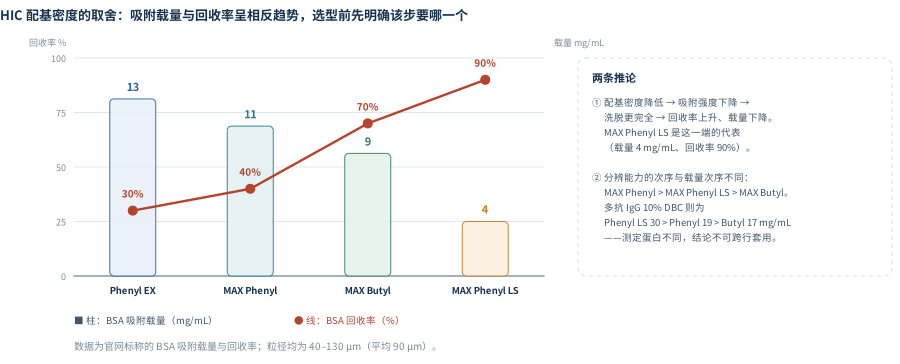
| Cellufine Phenyl EX | Phenyl | 40–130 (mean 90) | 13 | 30 | < 0.2 MPa | 2–13 |
| Cellufine MAX Phenyl | Phenyl | 40–130 (mean 90) | 11 | 40 | < 0.3 MPa | 2–13 |
| Cellufine MAX Phenyl LS | Phenyl (low ligand density) | 40–130 (mean 90) | 4 | 90 | < 0.3 MPa | 2–13 |
| Cellufine MAX Butyl | Butyl | 40–130 (mean 90) | 9 | 70 | < 0.3 MPa | 2–13 |
| Cellufine MAX Butyl HS | Butyl (high salt tolerance) | 40–130 (mean 90) | —— | —— | < 0.3 MPa | 2–13 |
Resolving power runs MAX Phenyl > MAX Phenyl LS > MAX Butyl. Polyclonal IgG 10% DBC: MAX Butyl 17, MAX Phenyl 19, MAX Phenyl LS 30 mg/mL. Phenyl EX can be used for two-step antibody purification in flow-through mode, removing mAb aggregates at a low conductivity of about 6 mS/cm; adsorption performance was essentially unchanged after 60 cycles of CIP with 0.5 M NaOH + 30% isopropanol.
How to read it
Binding capacity and recovery move in opposite directions in HIC: Phenyl EX gives a capacity of 13 mg/mL with 30% BSA recovery, while MAX Phenyl LS gives 4 mg/mL with 90% recovery. Lower ligand density weakens binding and makes elution more complete. Establish first whether the step is aiming at capacity or at recovery.
12.8 Mixed mode and gel filtration
Cellufine MAX IB (mixed mode)
Modified with a primary amine (polyallylamine) and butyl groups, it binds the target protein under high salt, salt-tolerant conditions and removes HCP and other impurities, for polishing mAbs after protein A. Particle size 40–130 μm (mean 90 μm); BSA binding capacity 64 mg/mL (low salt) / 59 mg/mL (high salt); operating pressure < 0.3 MPa.
GCL-2000HF / GH-25 (gel filtration)
GCL-2000HF has a separation range of MW 50–3000 kDa and a mean particle size of 90 μm, for separating and purifying large proteins; GH-25 has an exclusion limit of 3 kDa and a mean particle size of 80 μm, for desalting, buffer exchange and solvent removal.
The Cellufine system also offers the Super Edge empty prepacked column system, comprising a screw packing rod, a packing reservoir, an empty column kit and quick connectors, for self-packing mini-columns from bulk media for small-scale screening. Packing operations and equipment support are at column packing services and Packing stations。
How to read the Cellufine range as a whole
The Cellufine product structure can be seen as "one base matrix plus eight ligand classes". The base matrix is uniformly a crosslinked cellulose microsphere (most grades 40–130 μm, mean 90 μm; SPA-HC 70 μm, Formyl 125–210 μm), which makes packing behaviour, pressure characteristics and cleaning procedures consistent across every step of a process chain, with differentiation carried by the ligand chemistry. For projects that must run capture, intermediate and polishing steps within a single supply system, this structure reduces the complexity of process development and equipment matching.
13Gel media: Mixdex / Microse / Micdex / Mixrose
These gel chromatography media are built on crosslinked agarose (Microse), crosslinked dextran (Micdex) and near-rigid crosslinked agarose (Mixrose), covering gel filtration, ion exchange and mixed mode. The whole range has a hydrophilic base matrix with low non-specific adsorption, tolerates in-line cleaning with NaOH and HCl, and is available in PrePack prepacked columns. Part numbers follow the 2022 edition of the agarose and dextran gel handbook; specifications are at 。
13.1 Gel filtration media
| Products | Separation range (Da) | Particle size (μm) | Pressure rating (MPa) | Maximum flow rate (cm/h) | Working pH (cleaning) | Application |
|---|---|---|---|---|---|---|
| Mixdex 30 pg | 0 – 1×10⁴ | 22–44 | 0.3 | 40–60 | 3–10(1–14) | Small proteins, peptides, polysaccharides |
| Mixdex 75 pg | About 3000 – 7×10⁴ | 22–44 | 0.3 | 40–60 | 3–10(1–14) | Medium molecular weight proteins |
| Mixdex 200 pg | To the order of 1×10⁵ | 22–44 | 0.3 | 40–60 | 3–10(1–14) | Antibodies, large proteins |
Mixdex is a composite of dextran and highly crosslinked agarose, characterized by high flow rate and pressure rating, relatively high resolution and low non-specific adsorption. The start of the separation range for Mixdex 200 pg was truncated in the page extraction; follow the current handbook.To be verified
| Products | Separation range | Particle size (μm) | Pressure rating | Maximum flow rate (cm/h) | Working pH (cleaning) |
|---|---|---|---|---|---|
| Fast Flow (highly crosslinked agarose) | |||||
| Microse 4 FF | 6×10⁴ – 2×10⁷ Da | 45–165 | 0.3 MPa | ≤ 500 | 2–12(1–14) |
| Microse 6 FF | 1×10⁴ – 4×10⁶ Da | 45–165 | 0.3 MPa | ≤ 600 | 2–12(1–14) |
| Conventional gel filtration media | |||||
| Microse 4B | 6×10⁴ – 2×10⁷ Da | 45–165 | 0.3 MPa | ≤ 100 | 5–9(2–12) |
| Microse 6B | 1×10⁴ – 4×10⁶ Da | 45–165 | 0.3 MPa | ≤ 150 | 5–9(2–12) |
| Microse CL-2B | 70 kDa – 40 MDa | 60–200 | ≤ 5 kPa | ≤ 100 | 5–9(2–12) |
| Microse CL-4B | 60 kDa – 20 MDa | 45–165 | ≤ 12 kPa | ≤ 150 | 5–9(2–12) |
Microse Fast Flow is stated to be stable in ordinary aqueous solutions and to tolerate 8 M urea, 6 M guanidine hydrochloride, 70% ethanol and 1–2 M sodium hydroxide; the listed applications are separation of large biomolecules such as viruses and plasmids. The conventional grades have lower resolution and suit biomolecules well separated in molecular weight.
| Products | Separation range (Da) | Particle size (μm, wet gel) | Pressure rating (MPa) | Maximum flow rate (cm/h) | Working pH (cleaning) | Application |
|---|---|---|---|---|---|---|
| Micdex G-10 | < 700 | 55–165 | 0.5 | 50–250 | 2–13(1–14) | Rapid desalting and solvent exchange, separation of peptides or small molecules |
| Micdex G-15 | 100 – 1500 | 60–180 | 0.5 | 50–250 | 2–13(1–14) | As above |
| Micdex G-25 Coarse | 1000 – 5000 | 125–355 | 0.3 | ≤ 500 | 2–13(1–14) | Desalting and solvent exchange from laboratory to production scale |
| Micdex G-25 Medium | 1000 – 5000 | 75–250 | 0.3 | ≤ 250 | 2–13(1–14) | As above |
| Micdex G-25 Fine | 1000 – 5000 | 25–125 | 0.3 | ≤ 100 | 2–13(1–14) | As above |
| Micdex G-25 Superfine | 1000 – 5000 | 25–75 | 0.3 | ≤ 60 | 2–13(1–14) | As above |
| Micdex G-50 Coarse | 1500 – 30000 | 125–355 | 0.3 | 30–150 | 2–13(1–14) | Rapid desalting and solvent exchange |
| Micdex G-50 Fine | 1500 – 30000 | 25–125 | 0.3 | 30–150 | 2–13(1–14) | As above |
| Micdex G-50 Superfine | 1500 – 30000 | 25–75 | 0.3 | 30–150 | 2–13(1–14) | As above |
| Micdex LH-20 | 4000 – 5000 | 27–163 | —— | 700 | 2–13(1–14) | Separation and purification of cholesterol, lipids, hormones and natural products |
Micdex G-50 Medium has a part number listed on the manufacturer's site, with a particle size range adjacent to G-50 Fine; follow the current handbook for exact figures. The place of LH-20 in natural product separation is covered in Chapter 13 of the natural product purification page。
13.2 Ion exchange media
The Mixrose series is based on near-rigid crosslinked agarose microspheres, with near-rigid physical characteristics and a narrow bead size distribution; IEX Microse is agarose-based, in four sub-series — Fast Flow, High Performance, Big Beads and XL; IEX Micdex is a crosslinked dextran ion exchanger. The functional groups cover strong anion (Q), strong cation (SP), weak anion (DEAE) and weak cation (CM).
| Sub-series | Products | Particle size (μm) | Dynamic binding capacity | Pressure rating (MPa) | Maximum flow rate (cm/h) | Working pH (cleaning) | Characteristics |
|---|---|---|---|---|---|---|---|
| Fast Flow | Q Microse 6 FF | 90 | 60 mg BSA | 0.3 | 600 | 2–12(2–14) | High flow rate, high capacity |
| DEAE Microse 6 FF | 90 | 60 mg BSA | 0.3 | 600 | 2–12(2–14) | High flow rate, high capacity | |
| SP Microse 6 FF | 90 | 130 mg lysozyme | 0.3 | 600 | 4–13(3–14) | High flow rate, high capacity | |
| CM Microse 6 FF | 90 | 100 mg lysozyme | 0.3 | 600 | 4–13(3–14) | High flow rate, high capacity | |
| High Performance | Q Microse 6 HP | 34 | 70 mg BSA | 0.3 | 150 | 2–12(2–14) | High resolution |
| DEAE Microse 6 HP | 34 | 50 mg BSA | 0.3 | 150 | 2–12(2–14) | High resolution | |
| SP Microse 6 HP | 34 | 140 mg lysozyme | 0.3 | 150 | 2–12(2–14) | High resolution | |
| CM Microse 6 HP | 34 | 120 mg lysozyme | 0.3 | 150 | 2–12(2–14) | High resolution | |
| Big Beads | Q Microse 6 BB | 100–300 | 50 mg BSA | 0.3 | 1800 | 2–12(2–14) | High flow rate |
| SP Microse 6 BB | 100–300 | 110 mg lysozyme | 0.3 | 1800 | 4–13(3–14) | High flow rate | |
| XL (very high capacity) | Q Microse 6 XL | 90 | 140 mg BSA | 0.3 | 600 | 2–12(2–14) | Very high capacity |
| DEAE Microse 6 XL | 90 | 120 mg BSA | 0.3 | 600 | 2–12(2–14) | Very high capacity | |
| SP Microse 6 XL | 90 | 160 mg lysozyme | 0.3 | 600 | 4–13(3–14) | Very high capacity | |
| CM Microse 6 XL | 90 | 120 mg lysozyme | 0.3 | 600 | 4–13(3–14) | Very high capacity |
| Products (Mixrose, near-rigid crosslinked agarose) | Particle size (μm) | Dynamic binding capacity | Pressure rating (MPa) | Maximum flow rate (cm/h) | Working pH (cleaning) | Characteristics |
|---|---|---|---|---|---|---|
| Mixrose DEAE | 90 | 90 mg BSA | 0.3 | 700 | 2–12(2–14) | High flow rate, high capacity |
| Mixrose Q | 90 | 100 mg BSA | 0.3 | 700 | 2–12(2–14) | High flow rate, high capacity |
| Mixrose CM | 90 | 100 mg lysozyme | 0.3 | 700 | 4–13(2–14) | High flow rate, high capacity |
| Mixrose SP | 90 | 120 mg lysozyme | 0.3 | 700 | 4–13(2–14) | High flow rate, high capacity |
| Mixrose DEAE HR | 40 | 60 mg BSA | 0.3 | 300 | 2–12(2–14) | High flow rate, high resolution |
| Mixrose Q HR | 40 | 55 mg BSA | 0.3 | 300 | 2–12(2–14) | High flow rate, high resolution |
| Mixrose CM HR | 90 To be verified | 70 mg lysozyme | 0.3 | 300 | 4–13(2–14) | High flow rate, high resolution |
| Mixrose SP HR | 40 | 60 mg lysozyme | 0.3 | 300 | 4–13(2–14) | High flow rate, high resolution |
The "Mixrose HR characteristics" section lists a separate set of figures: Q HR strong anion, mean particle size 40 μm, capacity > 55 mg BSA/mL; SP HR strong cation, 40 μm, > 70 mg lysozyme/mL; DEAE HR weak anion, 40 μm, > 60 mg BSA/mL; CM HR weak cation, 40 μm, > 60 mg lysozyme/mL. The particle size given there for CM HR differs from the 90 μm in the table above; check against the current handbook when selecting.
| Products (Micdex, crosslinked dextran) | Particle size (μm) | Dynamic binding capacity | Maximum flow rate (cm/h) | Working pH (cleaning) |
|---|---|---|---|---|
| Q Micdex A-25 | 40–100 | 10 mg BSA | ≥ 100 | 2–12(2–12) |
| DEAE Micdex A-50 | 40–100 | 110 mg BSA | ≥ 100 | 2–12(2–12) |
| CM Micdex C-25 | 40–100 | 190 mg lysozyme | ≥ 100 | 2–12(2–14) |
| CM Micdex C-50 | 40–100 | 120 mg lysozyme | ≥ 100 | 2–12(2–14) |
| SP Micdex C-25 | 40–100 | 70 mg lysozyme | ≥ 100 | 2–12(2–14) |
| SP Micdex C-50 | 40–100 | 110 mg lysozyme | ≥ 100 | 2–12(2–14) |
The Q Micdex series also includes grades such as A-50; some rows in the manufacturer's table were truncated, so request the full catalogue when selecting.To be verified
13.3 Mixed mode media and prepacked columns
Mixrose Shell series
Comprising Shell 700, Shell 400 and Microse Shell V50 / V30 / V15. The beads have an inert "shell" and an activated "core": large molecules such as viruses, virus-like particles, viral vectors, plasmids and exosomes are excluded from the pores and elute in the interstitial volume; small molecules such as BSA, ovalbumin, HCP, nucleases, nucleic acid fragments, endotoxin and pigments enter the pores and are adsorbed by the octylamine-coupled core.
Mixrose MMA (intermediate antibody purification)
Used after antibody affinity purification, it removes HCP, nucleic acid, virus, antibody dimers and aggregates, and leached protein A ligand.
Mixrose MMC HR (fine antibody purification)
A newer mixed mode medium that meets high resolution requirements at high flow rates, separating aggregates and structural isomers in fine antibody purification.
PrePack prepacked columns: gel filtration types are available as 16/600 and 26/600 (column volumes 120 / 320 mL, rated 0.3 MPa); ion exchange types as 7/25, 16/25, 8/100 and 16/100 (rated 0.3 MPa, maximum flow rate 4–20 mL/min), covering Microse FF / HP / XL and the Mixrose functional groups; Micdex desalting prepacked columns (16/25, 8/100, 16/100, column volumes 5–20 mL) are also available. The manufacturer also publishes process examples: the process flow and chromatograms for purifying human rabies vaccine on Microse 4 Fast Flow, and the process flow for purifying supercoiled plasmid pDNA on Microse 6 Fast Flow.
14PolymerOne polymer media
The PolymerOne® polymer microsphere range is built on highly crosslinked polystyrene/divinylbenzene (PS/DVB) and polymethacrylate (PMMA), with uniform microspheres from 50 nm to 1000 μm produced at scale, covering reversed-phase and ion exchange chromatography. Microwants is an authorized distributor and supports customization of crosslinking, particle size, pore size and functional group. Specifications are at 。
14.1 Polystyrene microspheres (PS microspheres)
Uniform PS microspheres from 50 nm to 1000 μm can be produced at scale, with surface modification to give carboxyl, amino, epoxy and other functionalized microspheres, and products can be made to order at different degrees of crosslinking and with different functional groups. The manufacturer lists more than ten particle size grades from 10PS to 1000PS (10, 15, 20, 25, 30, 40, 50, 60, 70, 80, 90, 100…300, 400, 500, 600, 700, 800, 900, 1000 μm), each available with four surfaces: plain, carboxyl, amino and epoxy. The stated characteristics are regular sphericity, CV < 3%, high chemical stability and good dispersibility.
14.2 Polymer reversed-phase media (PS/DVB · PSM · PMM)
| Dimension | Value |
|---|---|
| Base matrix | PS/DVB、Poly DVB/acrylate(PSM)、Polyacrylate(PMM) |
| Polarity gradient | PS/DVB → PSM → PMM, in order of increasing polarity |
| Particle size | 1.7, 3, 5, 10, 15, 20, 25, 30, 40, 50, 60, 100, 200 μm; custom sizes 3–100 μm |
| Pore size | Non-porous, 100, 300, 500, 800 Å |
| pH range | 1–14 |
| Particle size distribution | Measured on a Beckman Coulter Counter, CV < 5% |
| Process stage | Crude extraction 100 μm → intermediate purification 30 / 40 μm → fine purification 10 μm |
| Test item (PS/DVB 30–100) | Specification |
|---|---|
| Particle size / CV | 30 ± 2 μm;CV < 3% |
| Crosslinking / pore size | 0.8;100 Å |
| pH range | 1–12 |
| Appearance and colour | Spherical, white to pale yellow |
| Dry bulk density | 0.4–0.6 |
| Surface area | 500 m²/g |
| Maximum pressure | 100 bar |
| Storage conditions | 20% ethanol; room temperature |
Chemical stability is stated for pure water, isopropanol, ethanol, acetonitrile, 1 M HCl, 1 M NaOH, methanol and most other solvents. The recommended cleaning and regeneration is: flush with 0.1–0.5 M NaOH in 60% methanol, then 0.1–0.5 M HCl in 60% methanol, then equilibrate with mobile phase. Surface area, crosslinking and maximum pressure are not listed individually for the other grades.
14.3 Polymer ion exchange media
Built on highly crosslinked uniform polyacrylate (PMMA) or PS/DVB microspheres, and stated to be highly rigid, acid- and alkali-tolerant, with low backpressure, high resolution and high operating flow rates. The PM series forms a hydrophilic coating on the polyacrylate microsphere before introducing the ion exchange group, to suppress non-specific adsorption and reduce steric hindrance; the M series bonds the ion exchange group directly to the polyacrylate microsphere surface, giving both hydrophobic and ion exchange character; the PS/DVB series bonds the ion exchange group directly to a PS/DVB microsphere.
| Grade | PolymerOne Q | PolymerOne SP | PolymerOne DEAE | PolymerOne CM |
|---|---|---|---|---|
| Ion exchange type | Strong anion | Strong cation | Weak anion | Weak cation |
| Base matrix | Polyacrylate | Polyacrylate | Polyacrylate | Polyacrylate |
| Functional group | —N⁺(CH₃)₃ | —SO₃⁻ | —HN(C₂H₅)₂ | —CH₂COO⁻ |
| Total ionic capacity | 0.36–0.40 | 0.40–0.46 | 0.20–0.25 | 0.23–0.28 |
| Particle size (μm) | 30, 40, 50, 100 | 30, 40, 50, 100 | 30, 40, 50, 100 | 30, 40, 50, 100 |
| Pore sizes available (Å) | 500, 800 | 500, 800 | 500, 800 | 500, 800 |
| Dynamic capacity | 50–80 mg BSA/mL | The dynamic capacity figures for the other three types were partly truncated in the page extraction; follow the current handbook To be verified | ||
| pH stability / sterilization | pH 1–14; autoclavable at 121 °C; stored in 20% ethanol; cleaned with 0.5 M HCl and 0.5 M NaOH, regenerated with 1–2 M NaCl | |||
| Product name | Particle size (μm) | Functional group | Pore size (Å) |
|---|---|---|---|
| PolymerOne® SP | 8, 10, 15, 20, 30, 40, 50 | —(CH₂)₃SO₃ | 500, 800 |
| PolymerOne® CM | 8, 10, 15, 20, 30, 40, 50 | —(CH₂)₃COO | 500, 800 |
| PolymerOne® Q | 8, 10, 15, 20, 30, 40, 50 | —(CH₂)₃N⁺(CH₃)₃ | 500, 800 |
| PolymerOne® DEAE | 8, 10, 15, 20, 30, 40, 50 | —(CH₂)₃N(CH₂CH₃)₂ | 500, 800 |
| PolymerOne® MSP | 8, 10, 15, 20, 30, 40, 50 | —CH₂SO₃ | 500, 800 |
| PolymerOne® MCM | 8, 10, 15, 20, 30, 40, 50 | —CH₂COO | 500, 800 |
| PolymerOne® MQ | 8, 10, 15, 20, 30, 40, 50 | —CH₂N⁺(CH₃)₃ | 500, 800 |
| PolymerOne® MDEAE | 8, 10, 15, 20, 30, 40, 50 | —CH₂N(CH₂CH₃)₂ | 500, 800 |
Choosing between the M and PM series
In the M series (MSP, MCM, MQ, MDEAE) the ligand is attached through a single methylene, so it sits close to the matrix surface and the hydrophobic backbone is not fully shielded from the target, giving both hydrophobic and ion exchange character. Where extra selectivity is needed — separating components of similar charge but different hydrophobicity, for example — this dual mechanism is a useful orthogonal tool; conversely, where the target is sensitive to hydrophobic surfaces and non-specific adsorption must be suppressed, the hydrophilically coated PM series is preferable.
Published stability data: dynamic binding capacity for insulin was essentially unchanged after 30 days' immersion in 1.0 mol/L NaOH; and compared with conventional agarose-based ion exchangers, the change in column volume at high flow rate and raised pressure is smaller.Manufacturer data
15Comparison of the three product lines
| Dimension | JNC Cellufine | Gel media (Microse / Micdex / Mixrose / Mixdex) | PolymerOne |
|---|---|---|---|
| Base matrix | Crosslinked cellulose microspheres | Crosslinked agarose, crosslinked dextran, near-rigid crosslinked agarose | PS/DVB, polymethacrylate |
| Particle size range | 40–130 μm (mean 90); SPA-HC 70 μm; Formyl 125–210 μm | 22–355 μm, banded by sub-series | 1.7–1000 μm (microspheres); 8–200 μm for chromatography media |
| Pore structure | Characterized by exclusion limit (3 kDa – 3000 kDa) | Characterized by separation range (< 700 Da – 4×10⁷ Da) | Characterized by pore size (non-porous / 100 / 300 / 500 / 800 Å) |
| Modes covered | IEX, ProA affinity, heparin-mimetic and phosphate affinity, endotoxin removal, HIC, mixed mode, gel filtration (eight classes) | Gel filtration, IEX, mixed mode (three classes) | Reversed phase, IEX (two classes) plus functionalized microspheres |
| Maximum flow rate | IEX base grades 1200 cm/h; MAX series 500 cm/h | Big Beads 1800 cm/h;Mixrose 700 cm/h;FF 500–600 cm/h;HP 150 cm/h | Limited by system pressure; rated at the order of 100 bar |
| pH and chemical tolerance | Mostly pH 2–13; CIP with 0.5 M NaOH | Working 2–13, cleaning 1–14; FF grades tolerate 8 M urea and 6 M guanidine hydrochloride | pH 1–14; tolerates 1 M HCl / 1 M NaOH and most organic solvents; IEX grades autoclavable at 121 °C |
| Molecules suited to | Antibodies, vaccines (including polysaccharide vaccines), plasma products, recombinant proteins, mRNA-related enzymes | Viruses and VLPs, plasmids, antibodies, desalting and molecular weight fractionation, natural products (LH-20) | Oligonucleotides, peptides, insulin-type proteins, oligosaccharides |
| Process stages suited to | Mainly capture and intermediate purification, with polishing as well (MAX GS, MAX IB) | Desalting and molecular sieving, capture (FF / BB), polishing (HP / MMC HR) | Preparative and polishing; applications requiring tolerance of extreme conditions |
| Quality system record | ISO 9001 (as stated by the manufacturer) | Not published | Not published |
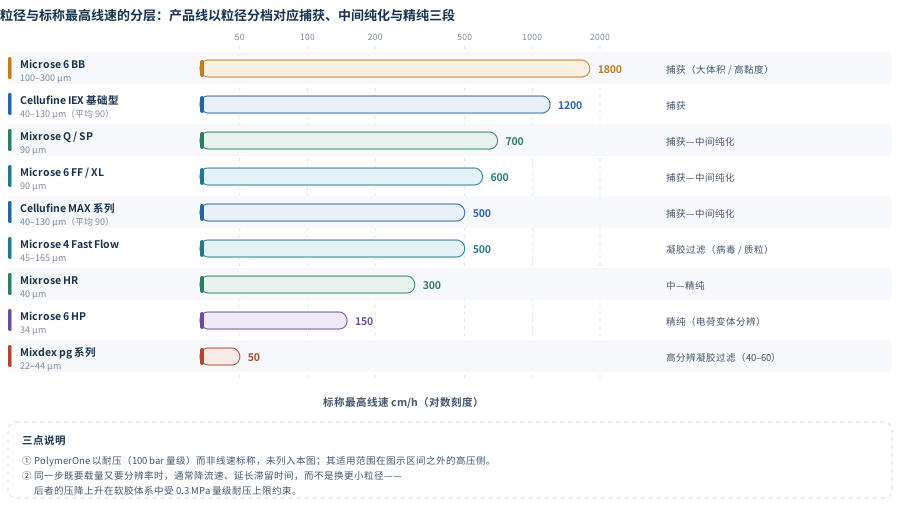
The figure notes why PolymerOne is not included: it is specified by pressure rating (of the order of 100 bar) rather than by linear velocity, and its range lies on the high-pressure side outside the plotted region.
16Modality × stage × media master matrix
The table below cross-maps the seven modalities of Chapter 1, the three process stages of Chapter 5 and the product grades of Chapters 12–14. The entries are suggestions derived from the officially stated applications and parameters; actual selection must be confirmed by bench screening. The rows correspond by number to the modality table in Chapter 1.
| Modality | Capture | Intermediate purification | Polishing / exchange |
|---|---|---|---|
| A. mAbs / Fc fusions | Cellufine SPA-HC(mAb DBC > 65 mg/mL @ 4 min,0.1 M NaOH CIP) | Cellufine MAX Q-h or MAX DEAE flow-through to remove DNA and acidic HCP; Mixrose MMA to remove HCP, nucleic acid and leached ProA ligand | Cellufine MAX GS (IgG DBC ≥ 70 mg/mL @ 4 min) or Phenyl EX flow-through to remove aggregates; Mixrose MMC HR to separate aggregates and structural isomers |
| B. Recombinant proteins / enzymes | Cellufine MAX DEAE / MAX S-h (BSA 197 / lysozyme 191 mg/mL); Microse 6 XL (140 mg BSA) | Cellufine MAX Phenyl / MAX Butyl(HIC);Mixrose Q / SP(700 cm/h) | Microse 6 HP (34 μm) linear gradient; Mixdex 75 pg gel filtration; Cellufine GH-25 desalting |
| C. Vaccine polysaccharides / conjugates | Cellufine MAX Q-hv (stated by the manufacturer as designed for polysaccharide vaccine purification) | Cellufine MAX Butyl HS (high salt tolerance, stated for polysaccharide vaccines) | Microse 4 FF or Microse CL-2B for molecular weight fractionation; ultrafiltration exchange |
| D. Viruses / VLPs / vectors | Cellufine Sulfate (bind at low salt, elute at high salt); Cellufine MAX DexS-VirS (ligand ≥ 74 μmol/mL) | Mixrose Shell series (shell excludes large molecules, core adsorbs small ones) | Microse 4 FF (separation range 6×10⁴–2×10⁷ Da) gel filtration |
| E. Plasma products | After precipitation fractionation, capture on Cellufine A-800 / Q-500 or Microse 6 FF | Cellufine MAX CM / S series; Cellufine ET Clean L for endotoxin removal | Mixdex 200 pg gel filtration to remove aggregates; Cellufine GH-25 for exchange |
| F. pDNA / mRNA and tool enzymes | Microse 6 FF (manufacturer's example: purification of supercoiled plasmid pDNA); Cellufine Phosphate (T7 RNA polymerase, about 70% activity recovery) | Mixrose Shell (excludes plasmid, adsorbs small-molecule impurities); Cellufine MAX Q-h (AEX) | Microse 4 FF gel filtration; Micdex G-25 desalting |
| G. Peptides / low molecular weight biologics | PolymerOne PS/DVB 100 μm for crude extraction | PolymerOne PS/DVB or PSM 30–40 μm for intermediate purification; PolymerOne SP / Q ion exchange | PolymerOne 10 μm for fine purification; Micdex G-10 / G-15 desalting; Cellufine GH-25 |
17Eight representative process routes
The routes below are organized around the officially stated applications, to show how the media connect within a process chain. The buffer system, gradient and loading for each step must be established for the specific molecule at bench scale. The first route (the mAb platform process) is used as an example to draw out how the chromatographic and non-chromatographic steps connect.
| # | Target | Process chain | Critical control point |
|---|---|---|---|
| 1 | Monoclonal antibody (platform process) | Clarification → Cellufine SPA-HC capture (elution at pH 3.0–3.5) → low pH viral inactivation → Cellufine MAX Q-h flow-through → Cellufine MAX GS or Mixrose MMC HR polishing → nanofiltration → UF/DF | The time to neutralization after elution controls aggregate formation; leached ProA ligand is cleared in the polishing step; MAX GS capacity is assessed at 4 min residence |
| 2 | Monoclonal antibody (two-step, no high salt) | Clarification → protein A capture → Cellufine Phenyl EX flow-through (about 6 mS/cm, low conductivity) to remove aggregates → UF/DF | Running at low conductivity lowers the risk of equipment corrosion and buffer precipitation; the manufacturer records adsorption performance essentially unchanged after 60 CIP cycles |
| 3 | Human rabies vaccine | Cell culture harvest → clarification → nuclease treatment → Cellufine Sulfate capture (bind at low salt, elute at high salt) → Microse 4 Fast Flow gel filtration → inactivation → formulation | The manufacturer publishes the process flow and chromatograms for purifying human rabies vaccine on Microse 4 FF; retention of viral titre through the high-salt elution and gel filtration steps must be monitored |
| 4 | Virus-like particles (VLPs) | Clarification → Cellufine MAX DexS-VirS affinity capture → Mixrose Shell (excludes VLPs, adsorbs HCP / nucleic acid / endotoxin / pigment) → Microse 4 FF fractionation → UF/DF | With a Shell medium, confirm that the target particle really is excluded from the pores; the interstitial volume recovery window must be cut precisely |
| 5 | Pneumococcal capsular polysaccharide | Fermentation broth clarification → precipitation / ultrafiltration concentration → Cellufine MAX Q-hv anion exchange → Cellufine MAX Butyl HS high-salt-tolerance HIC → ultrafiltration exchange → lyophilization | The manufacturer states that MAX Q-hv and MAX Butyl HS are designed for polysaccharide vaccines; molecular weight distribution and residual protein and nucleic acid are the critical release items |
| 6 | Supercoiled plasmid pDNA | Alkaline lysis → clarification → precipitation to remove RNA → Microse 6 Fast Flow gel filtration (manufacturer's example) → AEX polishing → desalting and exchange | The supercoiled fraction is a critical quality attribute; shear control affects the open circular fraction |
| 7 | T7 RNA polymerase for mRNA production | Cell disruption → clarification → Cellufine Phosphate capture (also acting as a cation exchanger) → Cellufine ET Clean L for endotoxin removal → Micdex G-25 desalting → filling | The manufacturer records enzyme activity recovery in the eluted fractions of about 70%; typical ET Clean L performance is LPS < 10 pg/mL with protein recovery of 97–98% |
| 8 | Insulin-type recombinant proteins and peptides | Inclusion body solubilization and refolding (8 M urea or 6 M guanidine hydrochloride) → Microse 6 Fast Flow capture (denaturant tolerant) → PolymerOne PS/DVB 30 μm reversed-phase preparative → PolymerOne SP ion exchange polishing → crystallization / lyophilization | The manufacturer records that PolymerOne ion exchange retains essentially unchanged dynamic binding capacity for insulin after 30 days' immersion in 1.0 mol/L NaOH; the organic proportion in the reversed-phase step must match the stability of the molecule |
The routes above are example configurations organized from the officially stated applications (inferred on this page) and do not constitute a process recommendation for any particular product. An actual process requires process validation and viral clearance validation.
18The selection decision path
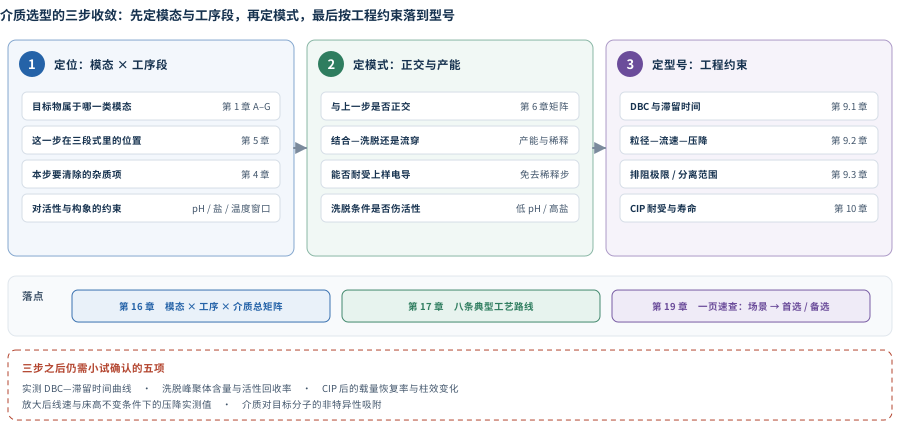
18.1 Rules for trading capacity against resolution
- The capture stage aims at throughput per unit time, so high flow rate and high DBC grades come first: the FF, XL and BB sub-series in the gel media system, and the MAX series in the Cellufine system.
- The polishing stage aims at resolution, so 34–40 μm HP and HR grades are used, or grades designed for a particular impurity (MAX GS for aggregate removal, Mixrose MMC HR for isomer separation).
- Where one step needs both capacity and resolution, this is usually achieved by lengthening residence time (lowering the flow rate) rather than moving to a smaller particle, because the resulting rise in pressure drop is constrained in soft gel systems by the pressure rating (usually 0.3 MPa).
18.2 Items to confirm at bench scale
Five measurements
- The measured DBC versus residence time relationship for the target under loading conditions;
- Aggregate content in the elution peak (by SEC) and activity recovery;
- Recovery of capacity and change in efficiency after the CIP procedure, for estimating media lifetime;
- The measured pressure drop after scale-up at constant linear velocity and bed height, and the margin against the medium's pressure rating;
- Non-specific adsorption of the target on the medium (assessed by a blank control or a low-load run).
Support for column packing, method transfer and scale-up validation at bench and pilot scale is at Process Development Services、column packing services and DAC packing。To be measured
19One-page quick reference
| Application / requirement | First choice | Alternative |
|---|---|---|
| One-step mAb capture | Cellufine SPA-HC (alkali-stable recombinant protein A) | Cellufine MAX S-h (CEX capture) |
| Aggregate removal after protein A | Cellufine MAX GS | Mixrose MMC HR; Cellufine Phenyl EX (flow-through) |
| Removal of HCP, nucleic acid and leached ProA ligand | Mixrose MMA | Cellufine MAX IB (salt-tolerant binding) |
| High dynamic capacity anion exchange | Cellufine MAX Q-h(BSA 225 mg/mL) | Q Microse 6 XL(140 mg BSA) |
| High dynamic capacity cation exchange | Cellufine MAX CM (lysozyme 220 mg/mL) | SP Microse 6 XL (160 mg lysozyme) |
| Resolution of charge variants | Microse 6 HP(34 μm) | Mixrose Q / SP HR(40 μm) |
| Capture of large-volume, viscous feeds | Q / SP Microse 6 BB(1800 cm/h) | Cellufine IEX base grades (1200 cm/h) |
| Capture of viruses and VLPs | Cellufine Sulfate;MAX DexS-VirS | Mixrose Shell series |
| Plasmid pDNA | Microse 6 Fast Flow | Mixrose Shell 700 / 400 |
| Polysaccharide vaccines | Cellufine MAX Q-hv | Cellufine MAX Butyl HS (high salt tolerance HIC) |
| Endotoxin removal | Cellufine ET Clean L (large molecules) | Cellufine ET Clean S (small molecules) |
| DNA-binding proteins / IVT tool enzymes | Cellufine Phosphate (including the high-capacity HC grade) | —— |
| Immobilizing your own ligand | Cellufine Formyl (15–20 μmol/mL aldehyde) | —— |
| Desalting and buffer exchange | Cellufine GH-25 (exclusion 3 kDa) | Micdex G-25 series; TFF |
| Molecular weight fractionation (large molecules) | Microse 4 FF(6×10⁴–2×10⁷ Da) | Cellufine GCL-2000HF(50–3000 kDa) |
| High-resolution gel filtration | Mixdex series (22–44 μm) | Microse 6 HP as a bind-elute alternative |
| Tolerance of 8 M urea / 6 M guanidine hydrochloride | Microse Fast Flow | PolymerOne series (pH 1–14) |
| Where autoclaving at 121 °C is required | PolymerOne ion exchange media | —— |
| Preparative work on peptides and oligonucleotides | PolymerOne PS/DVB (three bands: 100 / 30–40 / 10 μm) | PolymerOne PSM, PMM (increasing polarity) |
| Separation of natural products, lipids and hormones | Micdex LH-20 | —— |
| Small-scale screening and column packing | Cellufine Super Edge empty prepacked columns | Gel media PrePack prepacked columns (7/25–26/600) |
20Data basis, information gaps and scope
20.1 Data basis
- The product parameters in Chapters 12–14 are taken from the "JNC Cellufine cellulose media", "gel media" and "PolymerOne polymers" sections of the Products area of this site, retrieved on 5 August 2026.
- The protein used to determine dynamic binding capacity is not consistent between product lines: Cellufine and the gel media mostly use BSA (anion grades) and lysozyme (cation grades), with γ-globulin or IgG also given for some grades. Bear this in mind when comparing capacity figures across product lines.
- "Separation range" for gel filtration media and "exclusion limit" for adsorptive media are two different measures and cannot be compared directly.
- For flow rate, Cellufine and the gel media are specified by linear velocity (cm/h) and PolymerOne by pressure rating (bar); the two must be converted using the column geometry before comparison.
20.2 Information not published by the manufacturers
Five gaps
- Quality system certification, DMF filings or pharmacopoeial listings for the gel media and PolymerOne lines are not given on the product pages.
- Quantitative parameters such as ion exchange capacity and dynamic capacity for Cellufine MAX Q-hv and MAX Butyl HS are shown as "——" on the product page.
- Pore size banding, exclusion limits and capacity data for the Mixrose Shell series are given mainly as a description of the mechanism, without quantitative parameters.
- Media lifetime (number of cycles) for all three product lines, apart from the 60 CIP cycles recorded for Cellufine Phenyl EX and the 30-day NaOH immersion recorded for PolymerOne ion exchange, is not published.
- Surface area, crosslinking and maximum pressure for PolymerOne reversed-phase media other than the PS/DVB 30–100 grades are not listed individually.
20.3 Notes on data consistency
| Item | Where two sources differ | How it is handled on this page |
|---|---|---|
| Mixrose CM HR particle size | Listed as 40 μm in "Mixrose HR characteristics" and 90 μm in the "Mixrose IEX series" table | 90 μm is given with a "to be verified" mark, and the alternative figures are noted in Chapter 13.2 |
| Cellufine Phosphate part numbers | 50 mL / 500 mL are 19545 / 19546 in the English catalogue N3 and 19525 / 19526 in the Chinese catalogue N1_V33 | Both are given; order against the current official catalogue |
| Mixdex 200 pg separation range | The start of the range was truncated in the page extraction | Recorded as "to the order of 1×10⁵" with a "to be verified" mark |
| PolymerOne IEX dynamic capacity | Q is 50–80 mg BSA/mL; some figures in the SP / DEAE / CM rows were truncated | Only the Q figures are given; for the other three types, follow the current handbook |
| Q Micdex series grades | The manufacturer also lists grades such as A-50, but that row was truncated on extraction | Not listed in the table; the text notes that the full catalogue should be requested |
| Catalogue version | The gel media follow the 2022 edition of the agarose and dextran gel handbook; Cellufine follows the official JNC catalogue (Chinese N1_V33 / English N3_V1) | A new edition may change parameters; follow the current handbook |
20.4 Scope
This page is a technical review and a selection reference. The process routes given are example configurations organized from the officially stated applications and do not replace the experimental data required for process development, process validation and regulatory filing. Process design for a specific product must be established separately from the measured physicochemical properties, impurity profile and regulatory requirements of the target molecule. The suitability, lifetime and scale-up behaviour of a medium should be confirmed with bench and pilot data.
Appendix Chinese–English glossary
| Chinese | English | Notes |
|---|---|---|
| Dynamic binding capacity | Dynamic Binding Capacity, DBC | Usually taken at 10% breakthrough; the residence time must be stated |
| Residence time | Residence Time | Column volume divided by volumetric flow rate |
| Capture / intermediate purification / polishing | Capture / Intermediate / Polish | The three-stage downstream framework |
| Flow-through mode | Flow-through mode | The target is unretained while impurities are retained |
| Clean-in-place | Cleaning-in-Place, CIP | Usually with NaOH as the cleaning agent |
| Host cell protein | Host Cell Protein, HCP | A process-related impurity |
| Size exclusion chromatography / gel filtration | Size Exclusion Chromatography / Gel Filtration | Separation by hydrodynamic volume |
| Hydrophobic interaction chromatography | Hydrophobic Interaction Chromatography, HIC | Binding at high salt, elution at low salt |
| Mixed mode chromatography | Mixed-Mode Chromatography, MMC | Two or more mechanisms superimposed |
| Virus-like particle | Virus-Like Particle, VLP | A viral capsid structure without nucleic acid |
| In vitro transcription | In Vitro Transcription, IVT | The main route for mRNA production |
| Tangential flow filtration | Tangential Flow Filtration, TFF | Concentration and buffer exchange |
| Endotoxin / lipopolysaccharide | Endotoxin / Lipopolysaccharide, LPS | A cell wall component of Gram-negative bacteria |
| Isoelectric point | Isoelectric Point, pI | Determines the choice of ion exchange mode |
Applying the overview to your product
Send us the modality, starting material, impurity control targets and batch size of the target molecule, and we will reply with a media selection and process route proposal